Categories
Uncategorized

AlphaFold 3: Revolutionizing Biomolecular Interaction Predictions

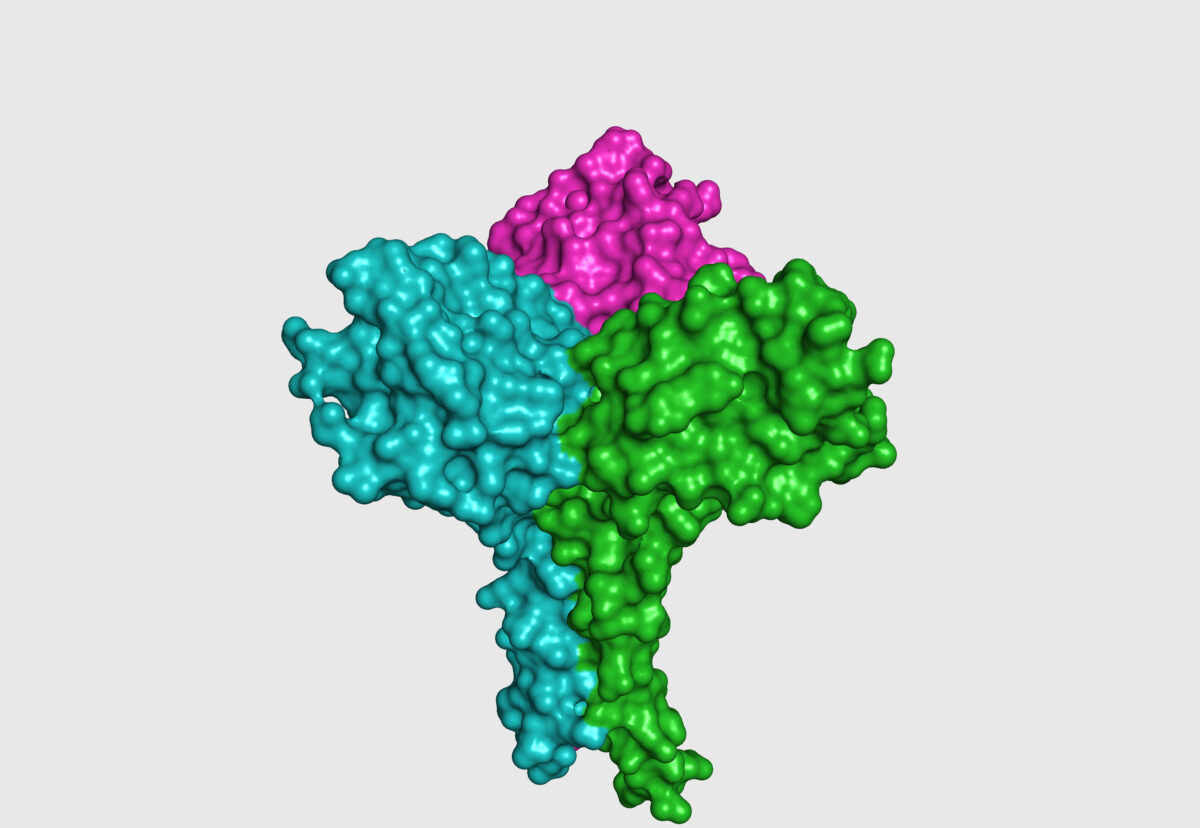
AlphaFold 3, the latest innovation from Google DeepMind, has set a new benchmark in the field of computational biology by accurately predicting the structures of complex biomolecular interactions. This cutting-edge model, detailed in Nature, uses a diffusion-based architecture to enhance accuracy across a wide range of interactions, including proteins, nucleic acids, small molecules, ions, and modified residues. This leap forward underscores the power of deep learning in tackling biological complexities, paving the way for groundbreaking advancements in therapeutic development and molecular biology research. For more details, read the full study here.

Categories
Uncategorized

DeepGO-SE: AI Breakthrough in Unraveling Protein Functions

Researchers at KAUST have developed DeepGO-SE, an advanced AI tool that excels in predicting the functions of previously uncharacterized proteins. Leveraging large language models and logical entailment, DeepGO-SE can infer protein functions even without existing database matches. This innovative approach has placed DeepGO-SE among the top algorithms in international competitions, showcasing its potential in drug discovery, metabolic pathway analysis, and more. This breakthrough promises to enhance our understanding of cellular mechanisms and accelerate biotechnological advancements. For more information, visit Neuroscience News.

Categories
Uncategorized

Discovery of New Enzyme Paves Way for Novel Antibacterial Therapies

Scientists have identified a groundbreaking enzyme that could significantly impact the development of new antibacterial treatments. This enzyme, discovered through advanced research, exhibits the ability to target and degrade bacterial cell walls, providing a novel mechanism for combating bacterial infections. This breakthrough holds promise for overcoming antibiotic resistance, offering a new line of defense against stubborn bacterial strains. The discovery could revolutionize antibacterial therapy, potentially leading to the development of more effective drugs. For more details, read the full article on Technology Networks.

Categories
Uncategorized

Advancements in Chemoinformatics: Shaping the Future of Drug Design

Chemoinformatics has seen remarkable progress, transforming how we analyze and interpret chemical data. With the integration of AI and big data, chemoinformatics tools now provide enhanced predictive models, facilitating the identification of drug candidates and optimizing chemical synthesis. Innovations such as deep learning algorithms and quantum chemical calculations are pushing the boundaries, making the drug design process faster and more efficient. These advancements hold the potential to revolutionize pharmaceutical research and personalized medicine. Discover more about these developments here.

Add Your Heading Text Here

dec