Understanding the Backbone of Disease: Bioinformatics-Driven Insights
Understanding the Backbone of Disease: Bioinformatics-Driven Insights
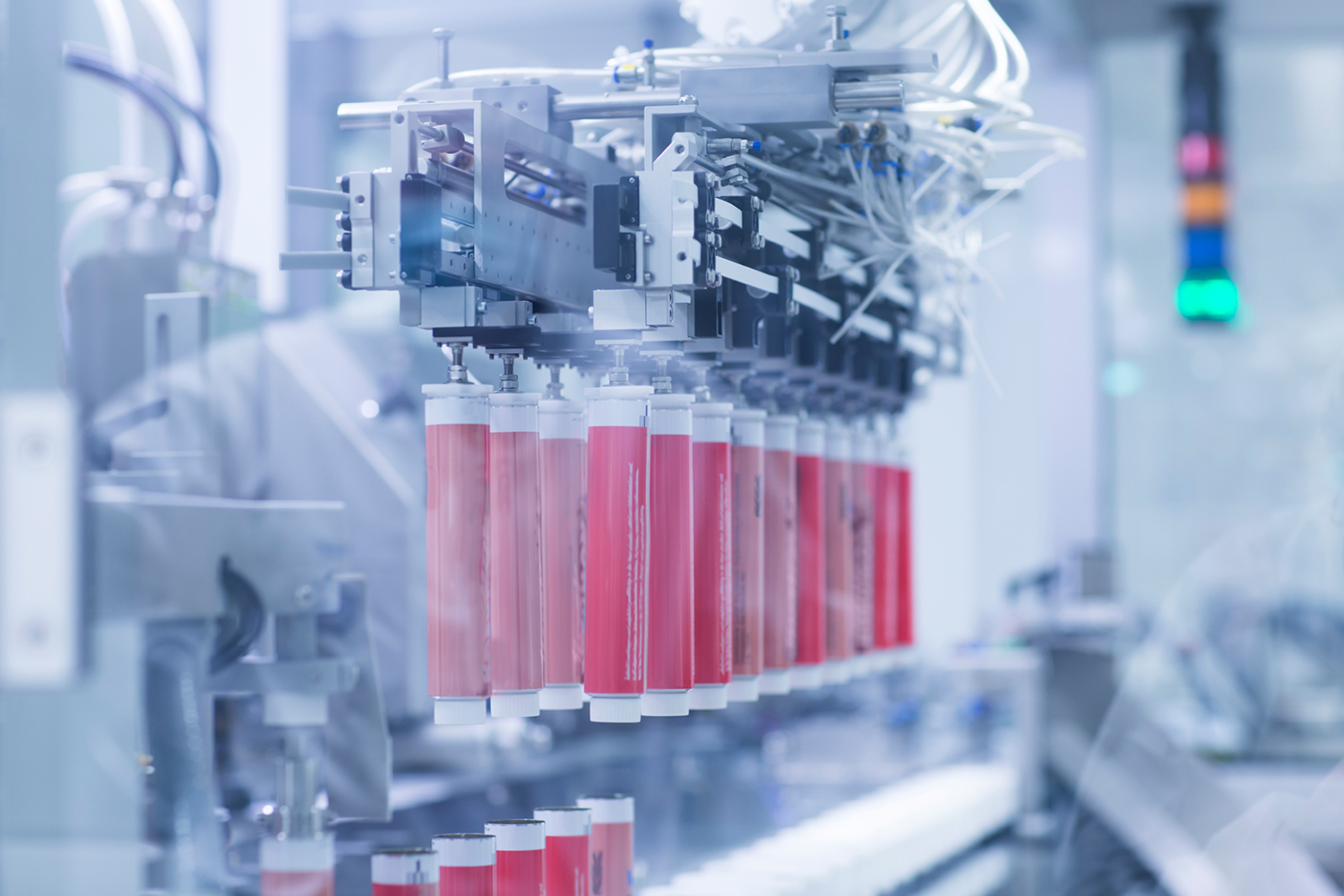
Optimizing Drug Production: Bioinformatics in Pharma Manufacturing
Revolutionizing Antibody Production by Understanding immunoinformatics
Enhancing Precision Medicine: Bioinformatics in Drug Selection
Critical Role of Protein Informatics in Accelerating Vaccine Development
Our
About Industry
The healthcare and pharmaceutical industries are integral to advancing global health, driven by the need for innovative treatments and improved patient care. Bioinformatics is a cornerstone in these fields, providing crucial insights into genetic, proteomic and molecular data. This enables the identification of novel drug targets, optimization of therapeutic interventions, and development of personalized medicine approaches. Advanced bioinformatics methodologies enable the comprehensive analysis of genomic and proteomic datasets, elucidating disease mechanisms at a molecular level. This knowledge accelerates the design of targeted therapies and enhances clinical trial efficacy by refining patient selection criteria and monitoring therapeutic responses. Ultimately, bioinformatics streamlines the drug development pipeline, reducing both time and costs associated with bringing new treatments to market.
Bioinformatics: why it matters?
Accelerated Drug Discovery
Bioinformatics identifies potential drug targets through comprehensive analyses, speeding up the discovery of new treatments.
Personalized Medicine
Enables the analysis of individual genetic profiles to create tailored treatments that improve efficacy and minimize side effects.
Enhanced Disease Understanding
Provides insights into disease mechanisms at a molecular level, facilitating the development of targeted therapies.
Data Integration and Management:
Manages and analyzes vast amounts of biological data efficiently, supporting informed decision-making in drug development and patient care.
Workflow importance
Incorporating a protein bioinformatics workflow in the healthcare and pharmaceutical sectors significantly enhances the drug discovery and development process. This workflow begins with the acquisition and preprocessing of protein data, followed by the identification and characterization of potential drug targets through computational modeling and simulation. Advanced techniques such as molecular docking and dynamics simulations are employed to predict drug-protein interactions, guiding the optimization of lead compounds. Additionally, bioinformatics tools facilitate the analysis of clinical trial data, enabling better patient stratification and monitoring therapeutic responses. The integration of protein bioinformatics ensures a streamlined, data-driven approach to developing effective and personalized treatments.
Impact
Protein bioinformatics accelerates the identification of potential drug targets by analyzing protein structures and interactions.
Facilitates the development of personalized treatments by understanding protein variations in individuals.
Aids in designing effective vaccines by identifying key protein antigens.
Enhances the modification of proteins to improve their therapeutic properties.
Integrates protein data to understand complex biological systems and disease mechanisms.
Current trends
Protein bioinformatics accelerates the identification of potential drug targets by analyzing protein structures and interactions.
Facilitates the development of personalized treatments by understanding protein variations in individuals.
Aids in designing effective vaccines by identifying key protein antigens.
Enhances the modification of proteins to improve their therapeutic properties.
Integrates protein data to understand complex biological systems and disease mechanisms.