Bioenergy Breakthroughs: Bioinformatics in Renewable Energy Production
Plant Research Revolution: Bioinformatics for Biodiversity Conservation
Decoding Animal Health: Bioinformatics in Disease Understanding
Understanding Microbes: Protein Bioinformatics in Action
Algae Power: Bioinformatics in Renewable Energy Research
Our
About Industry
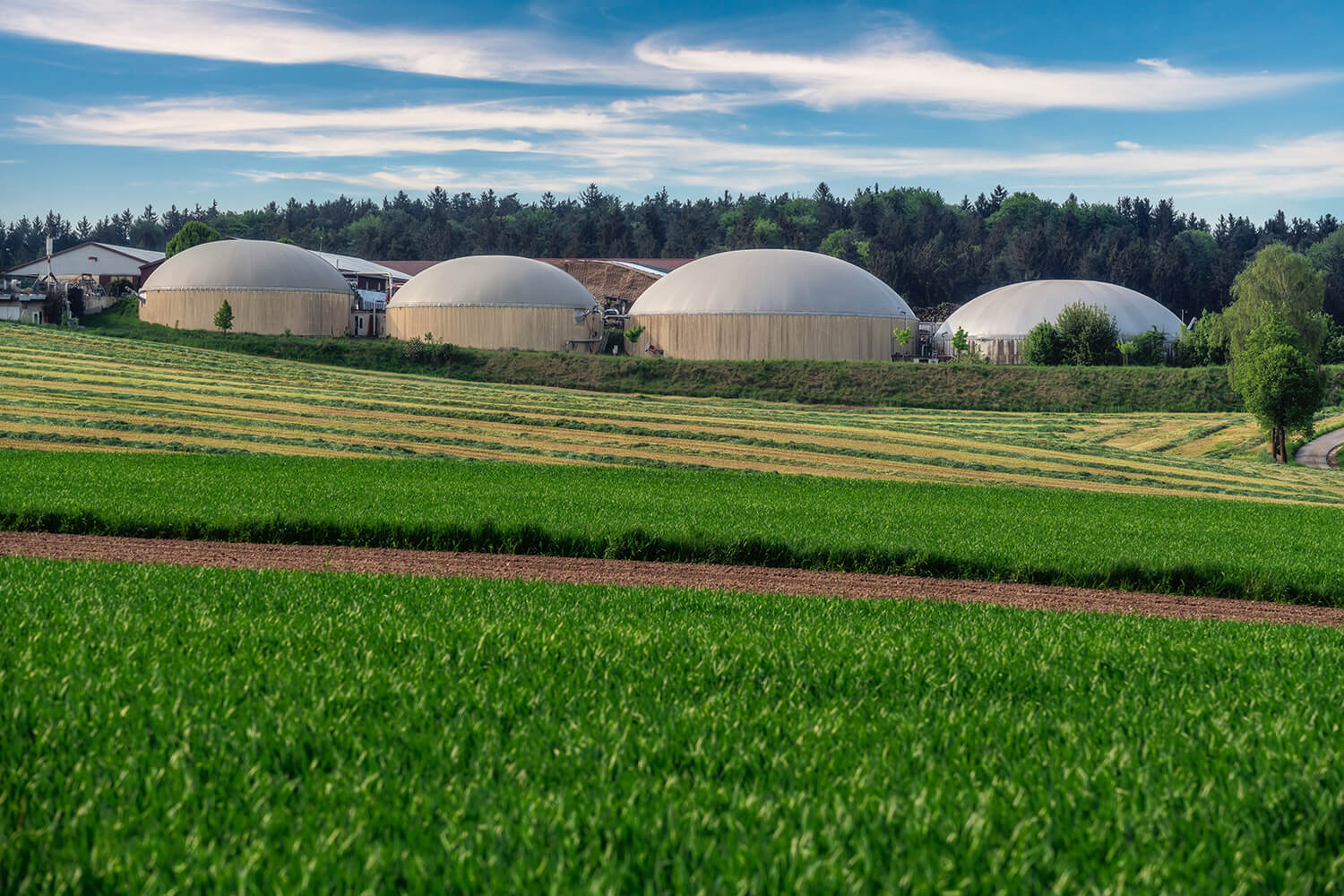
The environmental and energy sectors benefit significantly from bioinformatics through the development of sustainable solutions for environmental management and renewable energy production. Bioinformatics tools are employed to analyze microbial communities involved in bioremediation processes, helping to mitigate pollution and restore ecosystems. In the energy sector, bioinformatics supports the optimization of biofuel production by identifying and engineering microorganisms capable of efficient biomass conversion. Furthermore, bioinformatics facilitates the discovery and enhancement of industrial enzymes, reducing dependency on fossil fuels. By integrating omics data with computational models, bioinformatics promotes the development of green technologies and sustainable practices, addressing critical environmental and energy challenges.
Bioinformatics: why it matters?
Pollution Mitigation
Analyzes microbial communities involved in bioremediation, helping to clean up pollution and restore ecosystems.
Biofuel Optimization
Identifies and engineers microorganisms for efficient biomass conversion, supporting renewable energy production.
Green Technologies
Promotes the development of sustainable technologies through the integration of omics data and computational models.
Industrial Enzymes
Facilitates the discovery and enhancement of enzymes for industrial processes, reducing reliance on fossil fuels.
Waste Biodegradation
Enhances the degradation of industrial and agricultural waste through microbial processes.
Renewable Chemicals
Develops pathways for producing renewable chemicals from biomass.
Workflow importance
Incorporating a protein bioinformatics workflow into environmental and energy sectors drives the development of sustainable solutions. This workflow involves the identification and characterization of proteins involved in bioremediation processes, enabling the engineering of microbes for pollution mitigation. For bioenergy production, protein bioinformatics aids in optimizing enzymes that convert biomass into biofuels efficiently. The workflow also includes the design of protein-based biosensors for environmental monitoring. By leveraging protein bioinformatics, industries can enhance the efficiency of bioprocesses, reduce environmental impact, and develop innovative technologies for renewable energy and ecosystem restoration.
Impact
Identifies proteins in microbes that can degrade environmental pollutants.
Optimizes enzymes involved in converting biomass to biofuels.
Analyzes proteins that facilitate carbon capture and storage.
Optimizes microbial proteins for environmental applications.
Supports the development of environmentally friendly chemical processes through protein engineering.
Current trends
Optimization of microbial strains and enzymes for efficient biofuel production.
Advancements in protein bioinformatics for improving renewable energy technologies.
Development of biosensors for detecting pollutants and monitoring environmental health.
Application of bioinformatics in restoring damaged ecosystems.
Engineering microbial consortia for enhanced environmental applications.